
 English
 Cebuano
 Chinese (Simplified)
 Chinese (Traditional)
 Filipino
 Hawaiian
 Japanese
 Spanish
Published on April 4, 2026
Case: Taganile, et al. v. Dolar, et al. (G.R. No. 262480, Third Division, Singh, J.
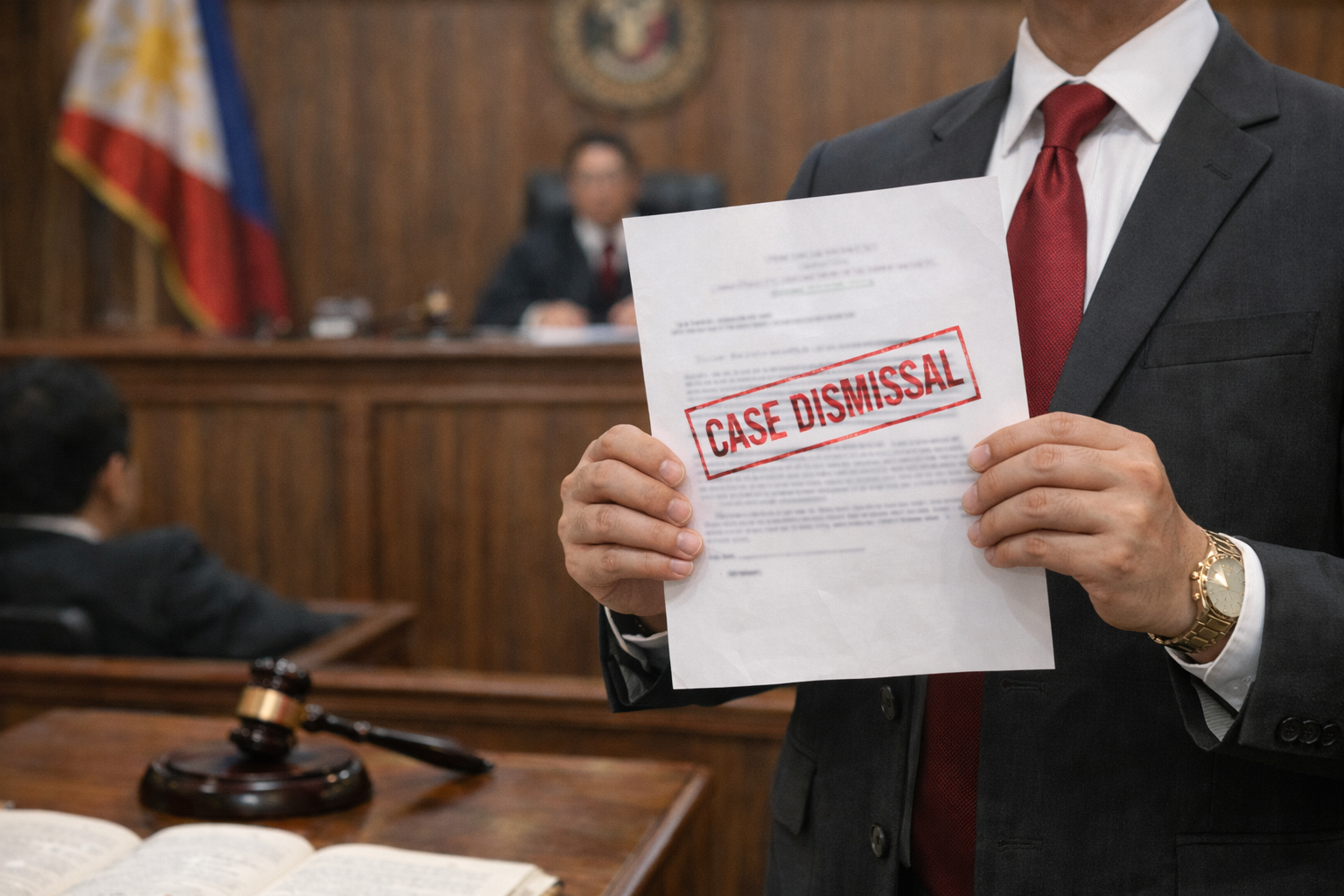
In litigation, the fastest win is an early dismissal. That is why “failure to state a cause of action” is a favorite pressure tactic. The Supreme Court is now tightening the rules of engagement. If a case is dismissed on this ground, it must be because the complaint itself is legally deficient, not because the defendant narrated a better story.
What happened in plain terms:
In this case , the Supreme Court addressed a recurring procedural problem: courts dismissing cases for failure to state a cause of action after looking beyond the complaint and its annexes, including arguments and submissions from the other side. The Court clarified the proper lens and reconciled conflicting rulings on the point.
The core ruling you need to remember:
A complaint or petition may be dismissed for failure to state a cause of action only after examining the complaint or information itself, together with its annexes. The court must strictly exclude the pleadings, evidence, or submissions of other parties when resolving this specific ground. In short, this is a four corners review plus annexes, nothing else.
Practical playbook for clients:
For plaintiffs and petitioners
- State all ultimate facts that establish each element of your claim. If an element is missing, the case is exposed before it starts.
- Attach the documents that make your claim credible and complete, especially contracts, demand letters, notices, receipts, and acknowledgments. If your annexes contradict your allegations, you are handing the other side a clean dismissal.
- If your claim relies on a specific obligation, date, demand, breach, or causal link, put it in the complaint now. You cannot assume the court will infer missing essentials.
For defendants and respondents
- Attack the complaint, not the narrative. Your motion should read like a compliance audit of the pleading: which element is missing, which ultimate fact was not alleged, and which annex contradicts the claim.
- Stop trying to win this motion with external facts
If your defense requires your own evidence or your own version of events, that is for trial level fact finding, not for this threshold dismissal ground. - Use the correct escalation path. If the complaint survives, shift to the right tools: affirmative defenses, summary judgment where proper, and a disciplined evidence strategy.
The takeaway:
The Supreme Court is enforcing procedural discipline. Failure to state a cause of action is not a mini trial and not a credibility contest. It is a legal sufficiency test based solely on the complaint and its annexes. If you are filing, your job is to plead complete ultimate facts and attach clean documents. If you are defending, your leverage is to show a fatal gap inside the complaint itself, not to argue facts outside it.
Disclaimer:
The contents of this website are for general information and educational purposes only and do not constitute legal advice. No attorney-client relationship is formed by using this site. We strive for accuracy, but we cannot guarantee that the information is always up-to-date or error-free.
Use of this site and its contents is at your own risk. This website and its authors disclaim any liability for any loss or damage, whether direct, indirect, incidental, consequential, or otherwise, arising from the use or misuse of the information provided on this website.
For specific legal advice, please consult our law firm: CONTACT US